


Try An Approach Designed With CARE

Optimize Your Weight, Energy, Mood, Sleep, Mental Clarity and Overall, Health

Featured

The Dangers of Sleep Deprivation: What Lost Sleep Does to Your Hormones, Weight, and Brain

Sleep deprivation is not just feeling tired. It raises cortisol and blood sugar, drives hunger and belly fat, ages your brain, weakens your immune system, and raises your risk of heart disease and early death. The sweet spot is about 7 hours a night.

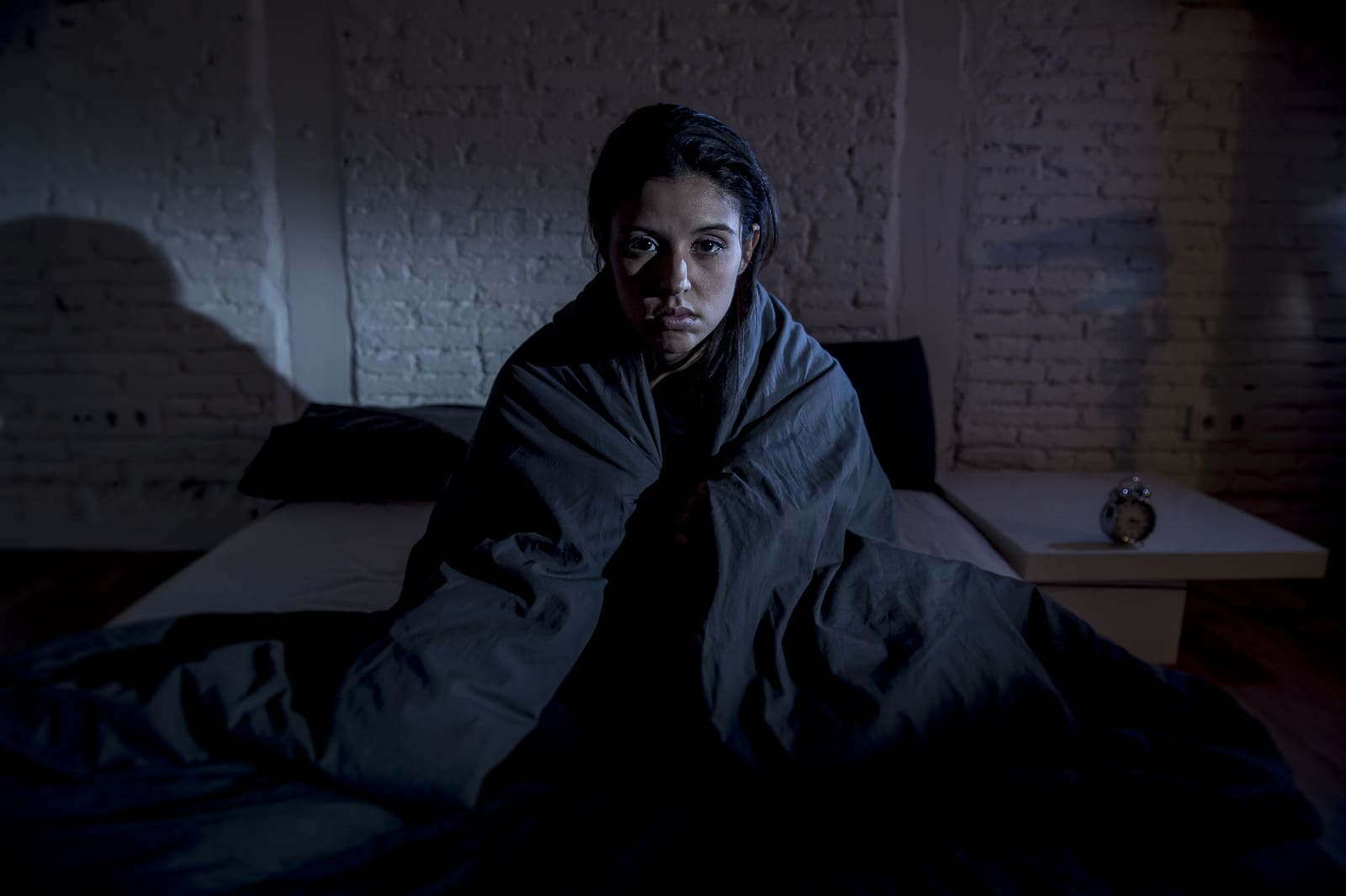
If you are lying awake at 3 a.m., this is for you. Just one sleepless night can transform you into an irritable, ruminating person who lies there wide awake but exhausted, craving carbs, annoyed at everything and everyone, playing the same song in your head, expanding your to-do list, and not remembering essential names or tasks, all before breakfast! Poor sleep has consequences, and it is one of the most common complaints I hear. It is rarely just stress. It is often hormones, and it is fixable.

What Counts as Sleep Deprivation?

Two things matter: quantity and quality. You need enough hours, and you need enough deep, restorative sleep inside those hours.

In a large analysis of sleep and mortality, risk was lowest at about 7 hours a night. Both less and more raised the risk of dying early and of heart disease. This is not about chasing 9 hours. It is about protecting your 7.

Quality matters just as much as hours. Deep, slow-wave sleep is when your body repairs and your brain cleans itself. I break down the sleep stages and how to get more deep sleep in how to rejuvenate with deep sleep.

Your Hormones on Too Little Sleep

This is the part most people miss. Short sleep is a hormonal event, and the hormones it disrupts are the ones that control your weight and your mood.

  • Cortisol rises. Even a few nights of short sleep raise evening cortisol and push you toward insulin resistance. High cortisol means more belly fat and more 3 a.m. wake-ups. It is a very rude little feedback loop, and nobody sends a warning text.
  • Hunger hormones flip. Sleep loss lowers leptin (your fullness signal) and raises ghrelin (your hunger signal), so appetite and cravings climb, especially for sugar and starch.
  • Blood sugar destabilizes. Less sleep means less insulin sensitivity, which makes weight harder to lose and energy harder to hold.

When you are doing everything right and the scale will not budge, look at your sleep. You cannot out-diet a cortisol problem.

The Midlife Twist: Menopause and Sleep

If your sleep fell apart in menopause or perimenopause, you are not imagining it. As estrogen fluctuates or declines and progesterone declines, sleep quality drops. Progesterone is calming and sleep-promoting, and losing it makes you wired and restless. Hot flashes and night sweats then wake you again and again.

Hormonal sleep loss can turn the calm, capable woman you know into someone who cries at commercials and considers cereal a controlled substance!

This is why sleep, weight, mood, and hot flashes so often show up together. They share a root cause. I cover the full picture in effective solutions for menopausal symptoms.

Here is what it can look like when you address the hormones instead of just the symptom. One of my patients came to me exhausted and desperate. In her words:

“I had intense hot flashes, couldn’t sleep, and was so exhausted I felt like I couldn’t go on. Dr. Maita put me on an estrogen patch and my hot flashes disappeared. For the first time in 3 years, I was finally able to sleep through the night. Thank you for giving me my life back.”

Three years of broken sleep, resolved by treating the cause. That is the difference between chasing symptoms and fixing the root.

Your Brain on No Sleep

Deep sleep is your brain’s overnight cleaning cycle. During slow-wave sleep, fluid pulses through the brain and flushes out waste, including the amyloid protein linked to Alzheimer’s. Skip the deep sleep and the waste builds up.

This is not theory. After just one night of sleep deprivation, researchers measured a significant rise in brain amyloid in healthy adults. Short-term, poor sleep looks like brain fog, low mood, and bad decisions. Long-term, it may raise dementia risk.

The Long Game: Heart, Immunity, and Lifespan

The costs of chronic short sleep add up quietly, then all at once.

  • Heart. Short and long sleep both raise the risk of heart disease and early death, with the lowest risk near 7 hours.
  • Immunity. In one study, people sleeping under 6 hours were more than 4 times as likely to catch a cold after direct exposure to the virus.
  • Metabolism and mood. Ongoing sleep loss raises the risk of obesity, type 2 diabetes, anxiety, and depression.

How to Sleep Better Tonight: 8 Steps

Start with the basics. Most people fix a surprising amount with consistent habits before they ever need anything stronger.

  1. Keep a steady schedule. Wake and sleep at the same time, even on weekends. Your hormones run on a clock.
  2. Get morning light. Sunlight early sets your circadian rhythm and helps you feel sleepy at night.
  3. Cut caffeine after early afternoon and limit alcohol. Alcohol helps you fall asleep, then wakes you as it wears off.
  4. Stop eating 2 to 3 hours before bed. Late meals raise blood sugar and disrupt repair.
  5. Make the room dark, cool, and quiet. Block blue light for at least an hour before bed.
  6. Wind down on purpose. Slow belly breathing, a warm Epsom salt bath, or writing down what is on your mind.
  7. Try gentle support if needed. Magnesium 200 to 400 mg, or short-acting melatonin 0.3 to 3 mg to fall asleep. Calming herbs like valerian, passionflower, or chamomile can help.
  8. Address the root cause. If you still cannot sleep, look deeper. Hormone imbalance, high cortisol, thyroid issues, pain, or sleep apnea may be driving it. That needs a real evaluation, not another sleeping pill.

Your Next Step: 6 Strategies for a Sound Sleep

If you are ready to sleep through the night again, my 6 Strategies for a Sound Sleep course gives you the exact steps, evaluations, and resources to get deep, restorative sleep and wake up feeling like yourself again. Because when you sleep well, everything else gets easier: your weight, your mood, your mind, and your hormones.

Frequently Asked Questions

How many hours of sleep do I actually need?

About 7 hours a night is linked to the lowest risk of early death and heart disease for most adults. Both consistently less and consistently more raise health risks, so aim to protect a steady 7.

Why can’t I sleep during perimenopause and menopause?

Declining or fluctuating estrogen and low progesterone reduce sleep quality, and progesterone in particular is calming and sleep-promoting. Hot flashes and night sweats then interrupt sleep. Balancing hormones often restores it.

Can lack of sleep cause weight gain?

Yes. Sleep loss raises cortisol and ghrelin (hunger) and lowers leptin (fullness), which increases appetite, cravings, and belly fat while making blood sugar harder to control.

Is poor sleep linked to Alzheimer’s?

Deep sleep clears waste from the brain, including amyloid protein tied to Alzheimer’s. Even one night of sleep deprivation raises brain amyloid, and chronic poor sleep may increase dementia risk.

References

  1. Spiegel K, Leproult R, Van Cauter E. Impact of sleep debt on metabolic and endocrine function. Lancet. 1999;354(9188):1435-1439. https://doi.org/10.1016/S0140-6736(99)01376-8
  2. Spiegel K, Tasali E, Penev P, Van Cauter E. Brief communication: sleep curtailment in healthy young men is associated with decreased leptin, increased ghrelin, and increased hunger and appetite. Ann Intern Med. 2004;141(11):846-850. https://doi.org/10.7326/0003-4819-141-11-200412070-00008
  3. Yin J, Jin X, Shan Z, et al. Relationship of sleep duration with all-cause mortality and cardiovascular events: a systematic review and dose-response meta-analysis of prospective cohort studies. J Am Heart Assoc. 2017;6(9):e005947. https://doi.org/10.1161/JAHA.117.005947
  4. Baker FC, de Zambotti M, Colrain IM, Bei B. Sleep problems during the menopausal transition: prevalence, impact, and management challenges. Nat Sci Sleep. 2018;10:73-95. https://doi.org/10.2147/NSS.S125807
  5. Shokri-Kojori E, Wang GJ, Wiers CE, et al. Beta-amyloid accumulation in the human brain after one night of sleep deprivation. Proc Natl Acad Sci U S A. 2018;115(17):4483-4488. https://doi.org/10.1073/pnas.1721694115
  6. Prather AA, Janicki-Deverts D, Hall MH, Cohen S. Behaviorally assessed sleep and susceptibility to the common cold. Sleep. 2015;38(9):1353-1359. https://doi.org/10.5665/sleep.4968

QUICK LINKS


Try An Approach Designed With CARE

Optimize Your Weight, Energy, Mood, Sleep, Mental Clarity and Overall, Health

About Author

AuthorLorraine Maita, CEO & Founder of The Feel Good Again Institute, and widely known as the “Hormone Harmonizer”, has helped thousands of people ditch fatigue, brain fog, mood swings, lose weight, and achieve balanced hormones so they Feel Good Again!.

She is a recognized and award-winning holistic, functional, integrative and anti-aging healthcare practitioner, speaker and author, and has been featured in ABC News, Forbes, WOR Radio and many media outlets to spread the word that you can live younger and healthier at any age.

You Might Also Like